特拉维夫导弹下的十三天Nothing has changed, but everything has changed.Ничего не изменилось, но всё изменилось.
2026 年特拉维夫导弹袭击下的十三天亲历A personal account of 13 days under missile strikes in Tel Aviv, 2026Личный рассказ о тринадцати днях под ракетными ударами в Тель-Авиве
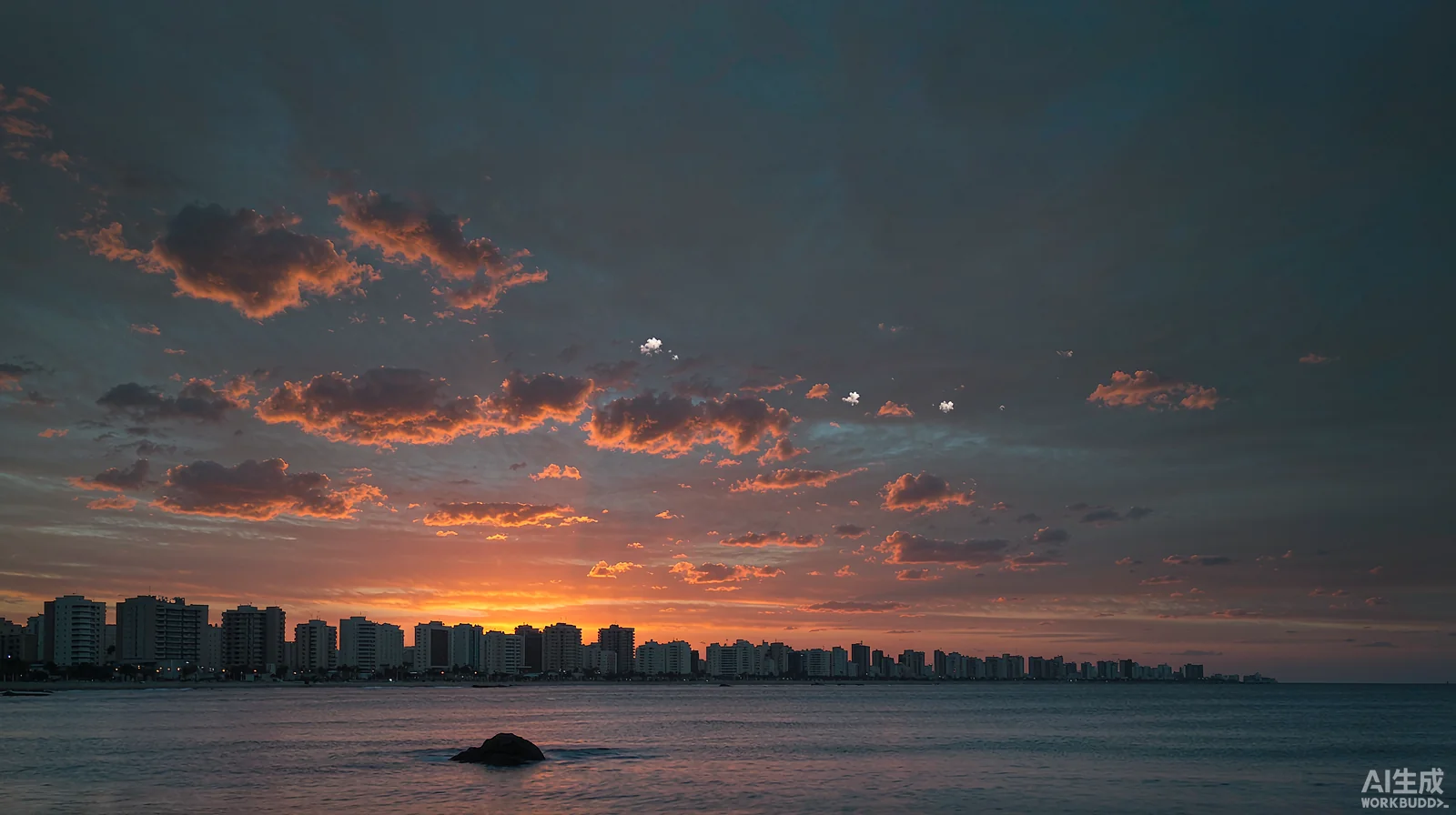
(大部分内容写于 2.28—3.08,3.16 在开罗修订)
2026.2.28 — 特拉维夫,清晨
特拉维夫的天气每一天都好得近乎残忍。
地中海气候下的三月,阳光透明且慷慨,蔚蓝的海岸线总是治愈人。
我还在浴室里洗着澡哼着歌,突然警报响了。
那刺耳的声音把一个普通的清晨硬生生撕开。
朋友说了一声:Shite!
而我完全在状况外,我知道我得赶紧穿衣服去庇护所,可是我的衣服全在洗衣机里,根本找不到。
我不停地在房间里打转,慌得不知道该干什么,打算裹着浴巾冲出门外。
朋友走过来,一把扶着我的双臂,看着我的眼睛说:"It's okay. We have one and a half minutes. Don't be scared." 声音是颤抖的。
我从还没有烘干的衣服里扯出一条裤子套上,裤子是冷的,湿的。
只知道跟着大家往外跑。
所有的感官在那一刻是失灵的,唯独听见自己的心跳声。
到了庇护所后,我感觉地板很冷。
我低头看了一眼——原来是我没有穿鞋子。
我的腿在抖,不是害怕的那种抖,是长跑完马拉松之后肌肉失控的那种抖。
警报一次次地响起来。
一开始是每两小时一次,然后每一个小时,再到每半小时,每十分钟……
我一次又一次被警报吓到,甚至听到别的声音都会吓得跳起来。
我不敢脱衣服,不敢脱鞋子,更不敢休息。精神一直绷着。
我的手机开始震动,国内的亲朋好友轮番发来消息。
有人转发新闻,有人问我为什么还不回来,有人开始教我该怎么做,有人让我拍视频给他们看。
我盯着屏幕,什么都没有回。
警报一次次响起。次数太多,后来我根本记不清是第几次了。
有一次从庇护所回来,我站在走廊里,忽然觉得很可笑。
先是"哼"了一声,然后就笑出来了——昨天还在高高兴兴地过安息日,还在想去哪里参加普林节的狂欢,然后一觉醒来就变成这样了,这难道不可笑吗?
我决定不再被警报控制。
我决定下一次警报响起,我要给警报声编曲、跟着跳舞。
我渐渐开始沉浸在每一个警报的间隙中。
有时候放圣诞歌,有时候放席琳狄昂,有时候放古典音乐。
我在庇护所里唱起了《Que Sera Sera》——what will be, will be.
如果我要拍一部战争电影,现在我知道了人们会有什么反应。
第一次——惊慌。纯粹的、动物性的惊慌。
第二次——依然惊慌,但腿不抖了。
第三次——觉得可笑。真的很想笑。这个世界太荒谬了。
第四次——又害怕了,但已经有了心理准备。
第五次——习惯了。但我告诉自己,不能麻痹大意。
走廊上飘来饭菜的香味。
夜里,我依然不敢入睡,因为我不敢相信这面墙能够保护我。
2026.3.2 — Purim
我拿出前几天准备好的普林服装穿上,对着镜子画了妆,给自己拍了一张照片。
窗外是随时可能落下导弹,而我在极度的紧张与极致的放松之间,用荒诞对抗荒诞,在死亡的阴影与生命的律动之间选择用乐观面对未知。
越是面临毁灭,越要热烈地确认自己还活着。
我开始慢慢熟悉预警声和走去庇护所的路,就像个专家。
可到了晚上,我就坐在门边,背靠着墙,这样我随时可以跑出去。
我害怕导弹,我就那样坐着,不敢睡,听着外面偶尔还在响的警报声。
原本前几天我还在纠结要不要离开,现在因为战争走不了。
我拿着手机,不停地查——使馆撤侨的消息是真的吗?战争真的有那么严重吗?
我在找证据,找那种可以让我心安理得留下来的证据。
我知道自己在做什么。我只是不想承认。
这场"不可抗力",却帮我做了决定,这个念头让我有点想笑。
我假装自己没有办法离开,然后自然而然地留下来。
也许逃避和选择,有时候是同一件事。
Miron 给我发来了消息:"You were supposed to be in Nepal right now. But you're here, going through all of this. It's for a reason. The more you see this as part of your journey, the more answers you'll receive." 我盯着这句话看了很久。
我心里升起一个念头,简单,粗粝,却很有力——Fuck the war. Let's live our life.
不知道这是战争爆发的第几天,警报还在响,但我们变了。
我坐在电脑前写作,我的朋友看着我,说:"You feel so comfortable now."
我笑了笑说:"我的思路不能被打断啊。"
我拿起电脑,走向庇护所,屏幕上还开着两个页面——一个是这本书的文档,一个是我的简历。
战争进入第二周。
我给在青年旅馆认识的朋友发消息,问他们还好吗。
其中一个以色列人回复我:他跑去露营了。
我觉得好笑,同时也完全理解。我让他注意安全。
我忽然意识到我有整整一周没有出门了。
后来我终于走上街,和 Facebook 上给我提供帮助的人见面。
生活如常。就好像什么都没有发生一样。
警报在巴士上响起。所有人跑向庇护所。我不知道该怎么办,只能跟着当地人走。
我回头看见司机没有下车。我一直在想他为什么不下车。
等警报解除,我走出来,第一个念头是:那辆巴士还在等我们吗?司机安全吗?
街上又恢复了平静。就像什么都没有发生一样。除了巴士已经开走了。
Nothing has changed, but everything has changed.
最后那几天,我已经无法忍受了。太困,太累。
白天还会去庇护所,半夜警报响起,我只走进厕所,或者厨房——不靠窗就好。
不再跟着规定走了。一开始我是少数严格按规定行动的人,后来连我自己也开始疲软了。
这才是战争真实的样子。
不是英雄主义。
是人类的自适应,和无可奈何。
战争第十天,我看到一条新闻。
一个三十三岁的女孩因为导弹死了。
她和我同龄,新闻上有她的照片和名字,而不是数字。
窗外,汽车在行驶。天空还是那个天空。
Nothing has changed, but everything has changed.
War hits you like a shot of adrenaline.
But once time passes, people choose to forget—it's a form of self-protection.
I remember when the Russia-Ukraine war broke out in 2022. I refused to believe it.
My colleague said: "Russia and Ukraine are at war!"
I shot back: "Stop spreading fake news. I lived in Ukraine for four years. People said this every single day."
He told me to check the news myself. I was still muttering "impossible, this is absolutely impossible"—convinced he was messing with me.
Then I opened my laptop.
My heart nearly jumped out of my chest.
That was four years ago.
How many people still think about how those people are doing now?
Then, the day after the Israel-Iran war broke out, a friend in Ukraine messaged me, demanding to know why I was still in Israel.
I sent back a laughing emoji. "Look who's talking — aren't you in Ukraine right now?"
He said: "That's exactly why. I know how terrifying this is. And I didn't want you to know."
But it was too late. Now I know.
(Most of this was written between 2.28–3.08. Revised on 3.16)
Tel Aviv, morning of February 28, 2026
The weather in Tel Aviv is beautiful every single day—almost cruelly so.
Under the Mediterranean sun in March, the light is clear and generous. The blue coastline always feels like it's healing something.
I was in the shower, humming to myself, when the siren went off.
That piercing sound tore open an ordinary morning.
My friend said: Shite.
I had no idea what to do. I needed to get dressed and get to the shelter—but all my clothes were in the washing machine. I couldn't find anything.
I kept spinning around the room in a panic, not knowing where to start. I was about to run out wrapped in a towel.
My friend came over, gripped both my arms, looked me in the eyes and said: "It's okay. We have one and a half minutes. Don't be scared." His voice was trembling.
I grabbed a pair of pants from the washing machine—still wet, still cold, and pulled them on.
Then I just ran. Following everyone else.
Every sense shut down in that moment. The only thing I could hear was my own heartbeat.
When we reached the shelter, I felt the floor was cold.
I looked down.
I hadn't put on shoes.
My legs were shaking—not the shaking of fear, but the kind of uncontrollable muscle failure you get after running a marathon.
The sirens kept coming.
Every two hours at first. Then every hour. Then every half hour. Then every ten minutes.
Each time, I flinched all over again. Even ordinary sounds made me jump.
I didn't dare take off my clothes. Didn't dare take off my shoes. Didn't dare rest. I stayed wound tight.
My phone started buzzing. Friends and family from home sent message after message.
Some forwarded news articles. Some asked why I wasn't coming back. Some told me what I should do. Some asked me to film videos for them.
I stared at the screen.
I didn't reply to any of them.
The sirens kept coming. Too many times—I lost count. Once, walking back from the shelter, I stood in the hallway and suddenly found it funny.
First a short heh. Then I started laughing out loud.
Yesterday I was happily celebrating Shabbat, planning which Purim party to go to. Then I woke up to this. Isn't that hilarious?
I decided I wasn't going to let the sirens control me anymore.
Next time the alarm goes off, I'm going to compose music to it. I'm going to dance.
I started sinking into the gaps between sirens.
Sometimes Christmas songs. Sometimes Celine Dion. Sometimes classical.
In the shelter, I sang Que Sera Sera—what will be, will be.
If I were making a war film, I now know exactly how people react.
First time—panic. Pure, animal panic.
Second time—still panicking, but the legs don't shake anymore.
Third time—it's absurd. I genuinely want to laugh. The world is absurd.
Fourth time—scared again, but mentally prepared.
Fifth time—used to it. But I told myself: don't get numb.
From the hallway drifted the smell of someone cooking.
At night, I still couldn't sleep. I didn't trust the walls to protect me.
March 2, 2026 — Purim
I put on the Purim costume I'd bought days earlier, did my makeup in the mirror, and took a photo of myself.
Outside, missiles could fall at any moment. But between the extremes of tension and release, I chose absurdity over absurdity—chose to affirm life in the shadow of death.
The closer destruction gets, the more fiercely you need to confirm you're still alive.
I started to know the siren sounds, to walk the route to the shelter like an expert.
But at night, I sat by the door with my back against the wall, ready to run at any moment.
I was afraid of the missiles. I sat there, unable to sleep, listening to the occasional sirens still echoing outside.
In the days before the war, I had been going back and forth about whether to leave. Now, because of the war, I couldn't.
I kept checking my phone, is the evacuation notice real? Is the war really that serious?
I was looking for evidence. Evidence that would let me stay with a clear conscience.
I knew what I was doing. I just didn't want to admit it.
This force majeure had made the decision for me. That thought made me want to laugh.
I pretended I had no way to leave. And so, naturally, I stayed.
Maybe running away and making a choice are sometimes the same thing.
Miron sent me a message: "You were supposed to be in Nepal right now. But you're here, going through all of this. It's for a reason. The more you see this as part of your journey, the more answers you'll receive."
I stared at those words for a long time.
A thought rose in me—simple, rough, but full of force:
Fuck the war. Let's live our life.
I don't know what day of the war it was anymore. The sirens were still going. But something had shifted.
I sat at my laptop writing. My friend looked over at me and said: "You feel so comfortable now."
I smiled. "My train of thought can't be interrupted."
I picked up my laptop and walked toward the shelter. Two tabs still open on the screen—one was the document for this book. The other was my résumé.
The war entered its second week.
I messaged friends I'd met at the hostel to check on them.
One of them—an Israeli—replied that he'd gone camping.
I laughed. And completely understood. I told him to stay safe.
I suddenly realized I hadn't left the apartment in a whole week.
Eventually I made it outside. I met people from Facebook who had offered to help.
Life was going on as normal. As if nothing had happened.
A siren went off on the bus. Everyone ran for the shelter. I didn't know what to do—I just followed the locals. I looked back and saw the driver hadn't gotten off. I kept thinking about why he hadn't gotten off.
When the all-clear came and I walked out, my first thought was: is the bus still waiting for us? Is the driver safe?
The street had gone quiet again. As if nothing had happened. Except the bus was gone.
Nothing has changed, but everything has changed.
In those final days, I couldn't take it anymore. Exhausted. So tired. I still went to the shelter during the day—but at night, when the sirens came, I only went to the bathroom or the kitchen. Nowhere near the windows. I stopped following the rules. At the beginning I was one of the few who went every time, strictly within ten minutes. By the end, even I had started to unravel.
This is what war actually looks like.
Not heroism.
Human adaptation. And helplessness.
On the tenth day of the war, I saw a news report.
A thirty-three-year-old girl had been killed by a missile.
She was my age. The news showed her photo and her name. Not a number.
Outside, cars were moving. The sky was the same sky.
Nothing has changed, but everything has changed.
(Бо́льшая часть написана 2.28—3.08, пересмотрено 3.16 в Каире)
2026.2.28 — Тель-Авив, раннее утро
Погода в Тель-Авиве каждый день хороша до жестокости.
В марте в климате Средиземноморья солнце прозрачное и щедрое, голубая береговая линия всегда что-то исцеляет.
Я ещё стояла в душе, напевая, как вдруг завыла сирена.
Этот пронзительный звук разорвал обычное утро.
Друг сказал: Shite!
А я совершенно не понимала, что происходит; я знала, что надо быстрее одеться и бежать в убежище, но вся моя одежда была в стиральной машине, найти было нечего.
Я крутилась по комнате в панике, не зная, за что взяться, и уже собиралась выбежать, завернувшись в полотенце.
Друг подошёл, крепко взял меня за плечи, посмотрел в глаза и сказал: «It's okay. We have one and a half minutes. Don't be scared.» — голос дрожал.
Я вытащила из ещё не высохшей одежды штаны и натянула их — они были холодные, мокрые.
Я только знала, что надо бежать за всеми.
В тот момент все чувства отключились; слышала лишь своё сердцебиение.
Когда мы добежали до убежища, я почувствовала, что пол холодный.
Я опустила взгляд — оказывается, я не надела обувь.
Мои ноги дрожали — не от страха, а от неконтролируемой мышечной слабости, как после марафона.
Сирены звучали снова и снова.
Сначала каждые два часа. Потом каждый час. Потом каждые полчаса, каждые десять минут…
Я снова и снова вздрагивала от сирены, даже на посторонние звуки подскакивала.
Я не смела снять одежду, не смела снять обувь, тем более отдохнуть. Дух был постоянно натянут.
Мой телефон завибрировал — друзья и родные из Китая раз за разом присылали сообщения.
Кто-то пересылал новости, кто-то спрашивал, почему я ещё не возвращаюсь, кто-то начал поучать, что делать, кто-то просил снять для них видео.
Я смотрела на экран — и не ответила ничего.
Сирены звучали снова и снова. Слишком много раз — в итоге я вообще перестала считать. Однажды, возвращаясь из убежища, я встала в коридоре и вдруг нашла это смешным.
Сначала «хм», потом рассмеялась вслух — ещё вчера я весело праздновала Шаббат, думала, на какую вечеринку Пурима пойти, а проснулась — и вот это. Разве не смешно?
Я решила больше не позволять сирене управлять мной.
В следующий раз, когда прозвучит тревога, я сочиню на её звук музыку и буду танцевать.
Я постепенно начала погружаться в паузы между сиренами.
Иногда рождественские песни, иногда Селин Дион, иногда классика.
В убежище я запела «Que Sera Sera» — what will be, will be.
Если бы я снимала военный фильм, теперь я точно знаю, как реагируют люди.
В первый раз — паника. Чистая, животная паника.
Во второй — всё ещё паника, но ноги уже не дрожат.
В третий — это абсурд. Правда хочется смеяться. Мир абсурден.
В четвёртый — снова страшно, но морально уже готова.
В пятый — привыкла. Но я сказала себе: нельзя притуплять бдительность.
Из коридора донёсся запах чьей-то готовки.
Ночью я всё ещё не смела уснуть, потому что не верила, что эта стена защитит меня.
2026.3.2 — Пурим
Я достала приготовленный заранее костюм Пурима, накрасилась перед зеркалом и сфотографировала себя.
За окном в любой момент могла упасть ракета, а я между крайним напряжением и крайней расслабленностью встречала абсурд абсурдом — выбирала оптимизмом смотреть в лицо неизвестности в тени смерти.
Чем ближе разрушение, тем яростнее нужно подтверждать, что ты ещё жива.
Я стала потихоньку узнавать звук предупреждения и путь к убежищу, как эксперт.
Но ночью я сидела у двери, прислонясь к стене, чтобы в любой момент выбежать.
Я боялась ракет; я так сидела, не смея уснуть, прислушиваясь к изредка ещё звучащим снаружи сиренам.
До войны я несколько дней колебалась, уезжать или нет, а теперь из-за войны уехать нельзя.
Я смотрела в телефон, всё проверяла — правда ли сообщение посольства об эвакуации? Неужели война и вправду так серьёзна?
Я искала доказательства — те, что позволили бы мне остаться с чистой совестью.
Я знала, что делаю. Просто не хотела признаваться.
Это «форс-мажор» решил за меня. Мысль эта заставила меня чуть улыбнуться.
Я притворилась, что у меня нет способа уехать, и потому естественно осталась.
Быть может, бегство и выбор — иногда одно и то же.
Miron прислал мне сообщение: «You were supposed to be in Nepal right now. But you're here, going through all of this. It's for a reason. The more you see this as part of your journey, the more answers you'll receive.» — я долго смотрела на эти слова.
Во мне поднялась мысль, простая, грубая, но полная силы: Fuck the war. Let's live our life.
Я уже не знаю, какой это был день войны; сирены всё ещё звучали, но мы изменились.
Я сидела перед ноутбуком и писала. Друг посмотрел на меня и сказал: «You feel so comfortable now.»
Я улыбнулась: «Мою нить мыслей нельзя прерывать».
Я взяла ноутбук и пошла к убежищу; на экране были открыты две страницы — одна документ этой книги, другая моё резюме.
Война вступила во вторую неделю.
Я написала знакомым, с которыми познакомилась в хостеле, спросила, как они.
Один из них — израильтянин — ответил, что пошёл в поход.
Я рассмеялась. И полностью поняла. Я велела ему беречь себя.
Я вдруг осознала, что целую неделю не выходила из квартиры.
В конце концов я всё-таки вышла на улицу. Встретилась с людьми, которые предложили помощь в Facebook.
Жизнь шла как обычно. Словно ничего не произошло.
Сирена прозвучала в автобусе. Все побежали в убежище. Я не знала, что делать, — просто пошла за местными. Оглянувшись, я увидела, что водитель не вышел. Я всё думала, почему он не вышел.
Когда отбой прозвучал и я вышла, первая мысль была: а автобус ещё ждёт нас? Водитель в безопасности?
На улице снова стало тихо. Словно ничего не произошло. Кроме того, что автобус уехал.
Ничего не изменилось, но всё изменилось.
В те последние дни я уже не могла терпеть. Уставшая. Очень уставшая.
Днём я ещё ходила в убежище, а ночью, когда звучала сирена, лишь заходила в туалет или на кухню — лишь бы не у окна. Я перестала следовать правилам. Сначала я была из немногих, кто ходил каждый раз, строго в пределах десяти минут. В конце даже я начала расслабляться.
Вот как выглядит настоящая война.
Не героизм.
Человеческая адаптация. И беспомощность.
На десятый день войны я увидела новость.
Девушку тридцати трёх лет убило ракетой.
Она была моего возраста. В новости было её фото и имя, а не номер.
За окном ехали машины. Небо было всё тем же небом.
Ничего не изменилось, но всё изменилось.
Reader ReflectionReader ReflectionReader Reflection
From a reader who grew up thereFrom a reader who grew up thereFrom a reader who grew up there
“I read everything, and I’ll be honest, I felt every word of it.
The way you described it, I could almost stand there in that same moment with you, running without shoes, not knowing what to take, what to wear, where to begin. That kind of panic is so human, and you wrote it in a way that makes people truly feel it.
As someone who grew up here, I’m used to sirens in a way that is hard to explain. But reading it through the eyes of someone experiencing it for the first time touched me differently. It reminded me that even the things we call ‘normal’ here are not normal at all.
In one way, I feel we are fortunate to at least have sirens (to know something is coming, to have even a small moment to react). There are places in the world where people do not even get that warning. But in another way, I also feel how tragic it is that we have to live like this at all.
This land has known war for so long, through so many rulers, peoples, faiths, and generations. Jewish, Christian, Muslim. history keeps changing names, but war keeps returning, and peace always feels too fragile, too brief.
Thank you for sharing this so honestly. You captured not only fear, but also the strange absurdity, the exhaustion, and the way people keep choosing life in the middle of it. That stayed with me.”
External coverage
This experience was also covered by The Jerusalem Post in "From the Western Wall to war sirens: A Chinese traveler's unexpected Israeli journey," which traces my journey from Jerusalem to the missile sirens in Tel Aviv.