从零开始搭建Building From Zero
如何搭建一家组织?How do you build an organization?
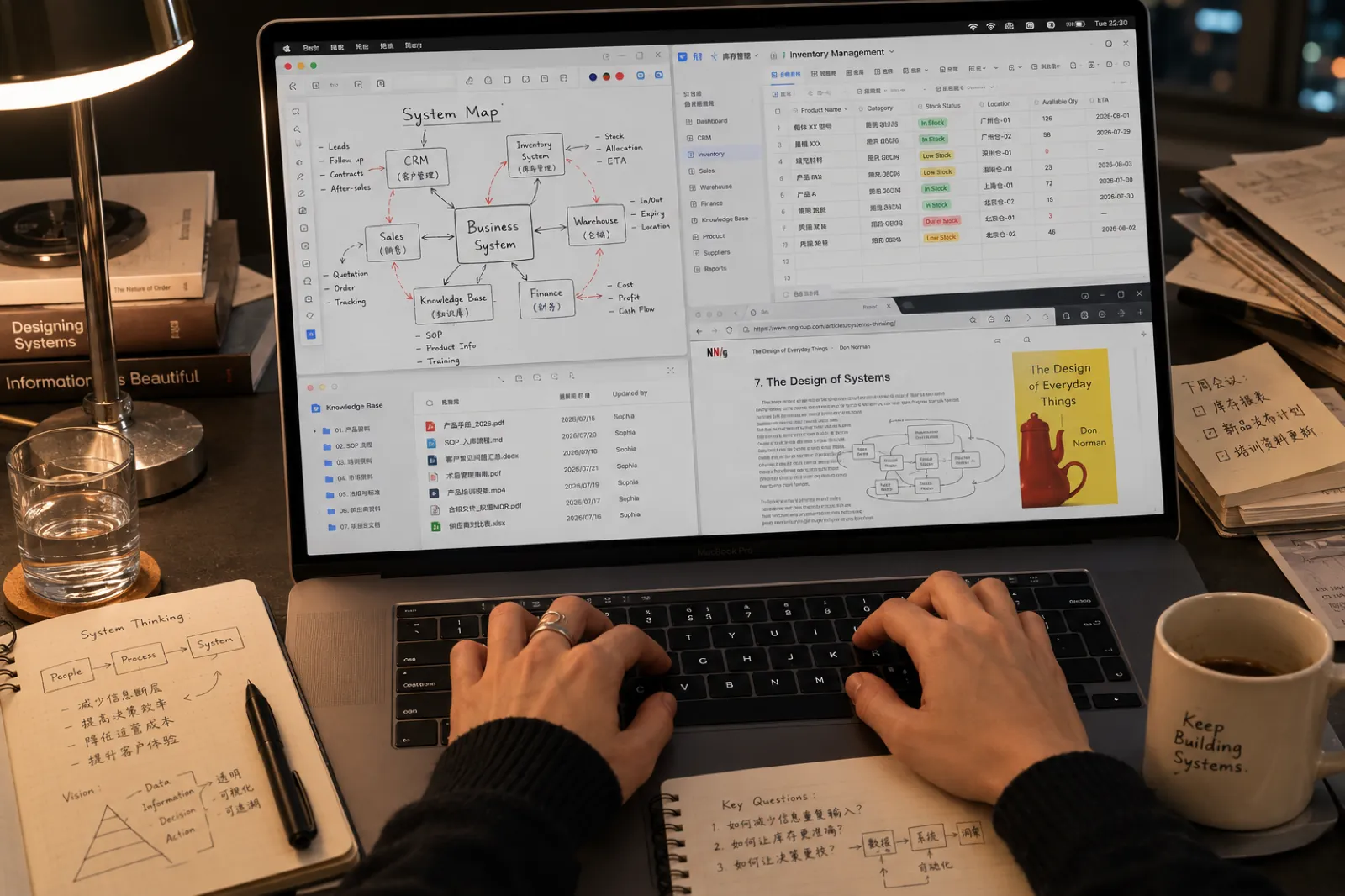
在早期的高度不确定中,为一家医疗企业搭建起能够运转的组织基础。Built the operating foundation of a medical business from early-stage ambiguity into a functioning organization.
这家公司处在真正的从零到一阶段。The company was in a true zero-to-one stage.
包括我在内,没有人真正搭建过这门生意。它身处一个传统的医疗行业环境,日常工作严重依赖个人记忆、人工协调和碎片化的信息。No one, including me, had built this business before. It sat inside a traditional medical environment where daily work depended heavily on individual memory, manual coordination, and fragmented information.
我接手时,没有现成的流程可以参考,也没有标准的系统可以套用。能做的只有先理解这门生意到底是怎么运转的——钱、货、人、客户,从哪里进来,又在哪里卡住。When I took it on, there was no ready-made process to follow and no standard system to adopt. All I could do was first understand how the business actually moved — money, goods, people, customers: where they entered, and where they got stuck.
从零到一From zero to one
这家公司处在真正的从零到一阶段。The company was in a true zero-to-one stage.
包括我在内,没有人真正搭建过这门生意。它身处一个传统的医疗行业环境,日常工作严重依赖个人记忆、人工协调和碎片化的信息。No one, including me, had built this business before. It sat inside a traditional medical environment where daily work depended heavily on individual memory, manual coordination, and fragmented information.
我接手时,没有现成的流程可以参考,也没有标准的系统可以套用。能做的只有先理解这门生意到底是怎么运转的——钱、货、人、客户,从哪里进来,又在哪里卡住。When I took it on, there was no ready-made process to follow and no standard system to adopt. All I could do was first understand how the business actually moved — money, goods, people, customers: where they entered, and where they got stuck.
先模仿,后停手I copied first, then stopped
一开始,我是从竞争对手那里学。At the start, I learned from competitors.
我看别人怎么管库存、怎么跟客户、怎么排单,把能抄的流程先抄过来。这在早期是有用的:它让我少走了一些弯路,也让我更快理解了这门生意的骨架。I watched how others managed inventory, handled customers, and scheduled orders, and copied what I could. Early on this helped: it saved some wrong turns and showed me the skeleton of the business faster.
但很快我发现,抄来的流程并不总是合适。But I soon found that copied processes were not always a fit.
别人的流程长在他们自己的体量、团队和习惯上。直接搬过来,常常在某个环节卡住——不是因为流程错了,而是因为它服务的是另一家公司。我逐渐停止寻找模板,开始按照这门生意自己的真实情况去设计:哪些环节必须留,哪些环节可以砍,哪些判断应该交给系统而不是某个人。Other people's workflows were shaped by their own scale, team, and habits. Dropped into our context, they often snagged — not because the process was wrong, but because it served a different company. I gradually stopped looking for templates and started designing for this business's actual reality: which steps had to stay, which could be cut, and which judgments should belong to a system rather than a person.
证据库Evidence Gallery
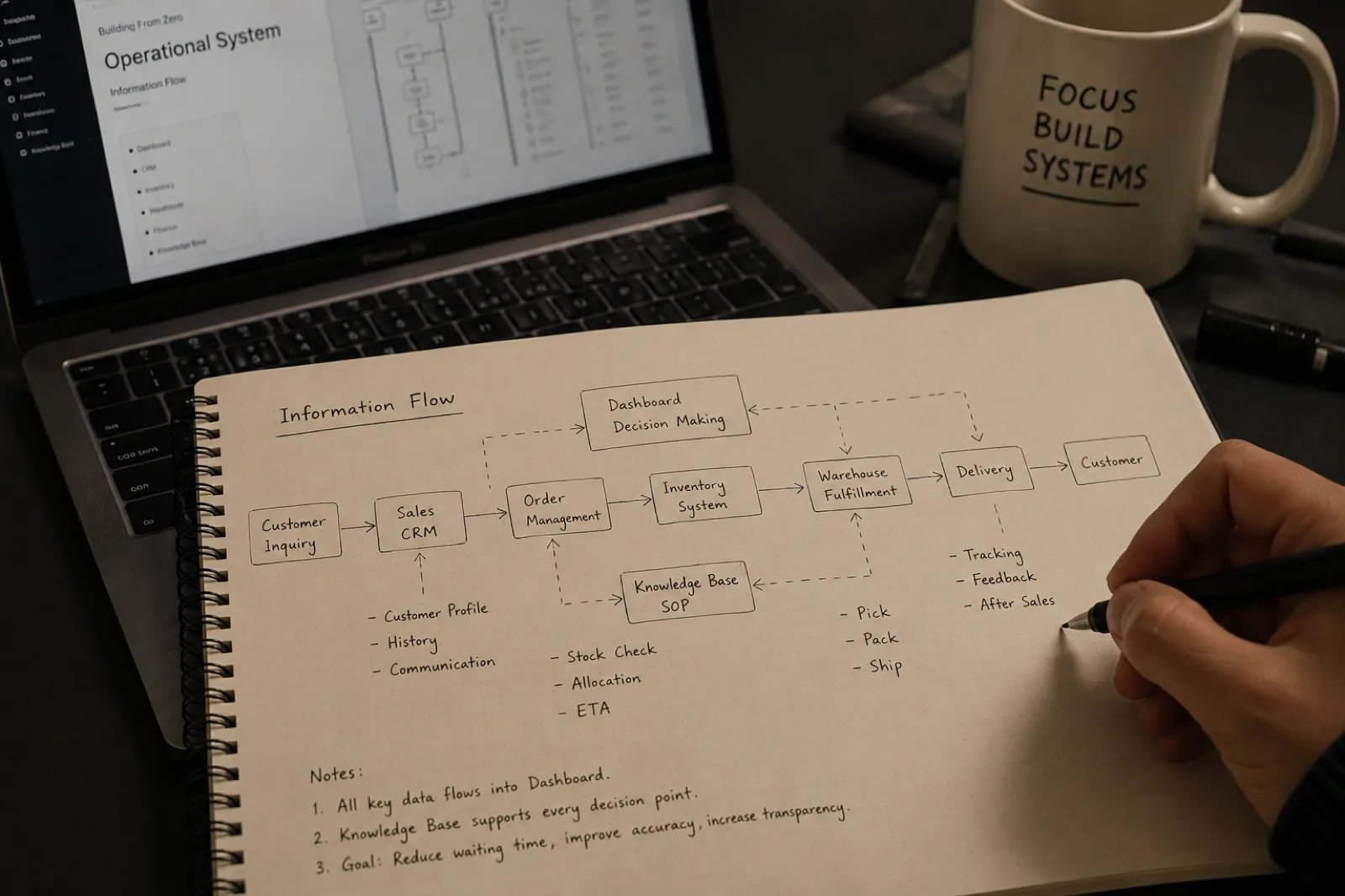
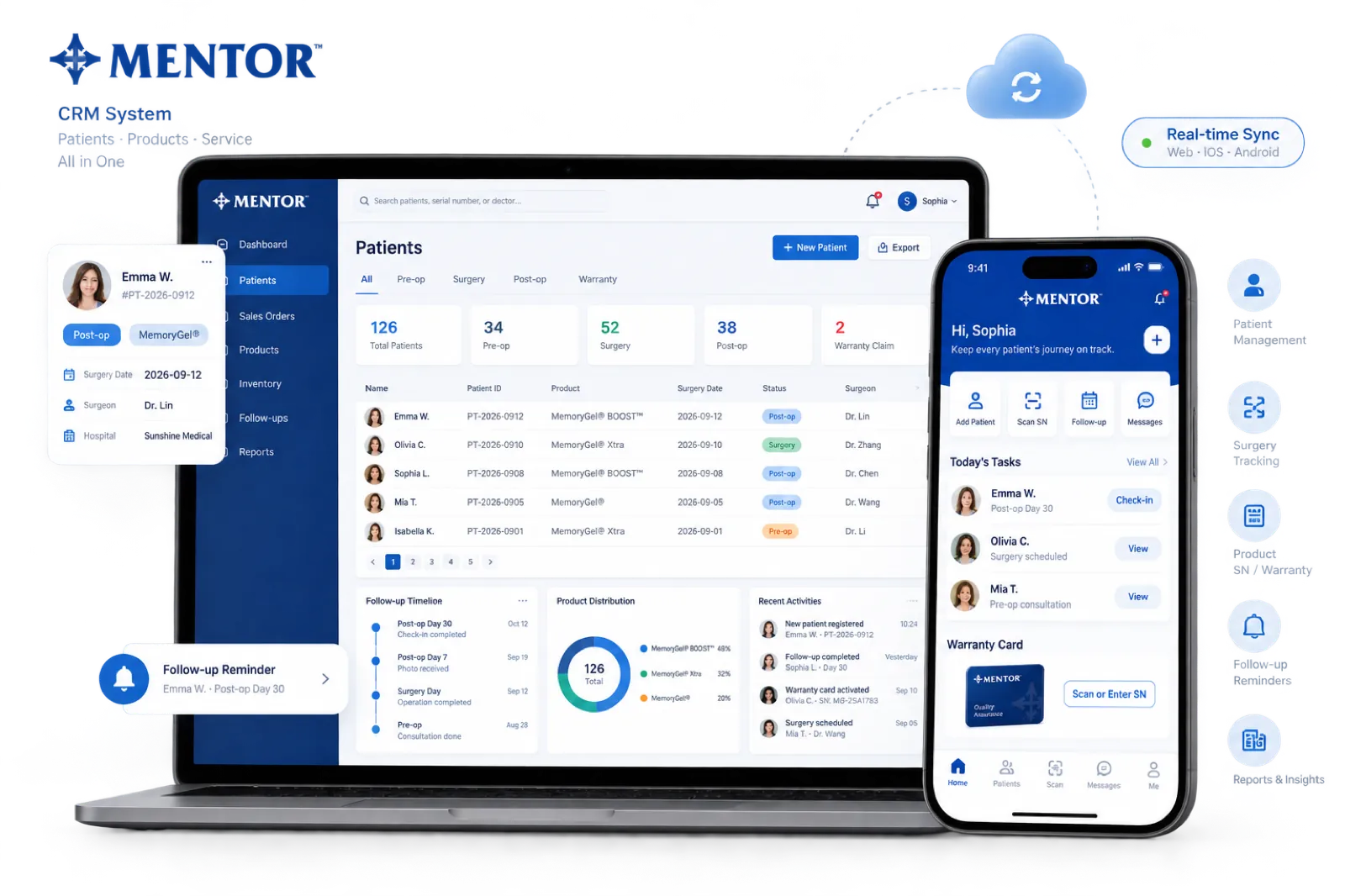
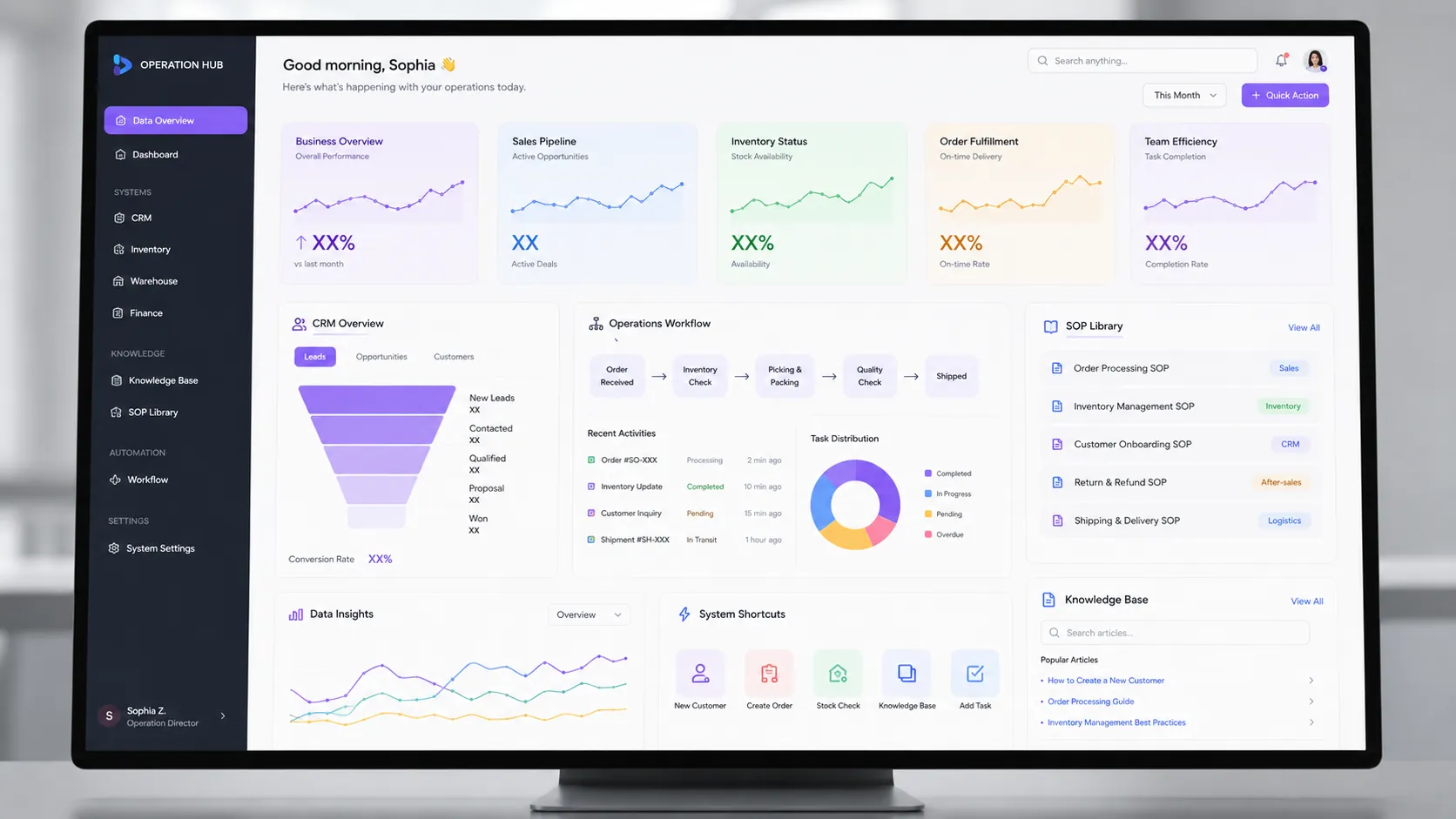
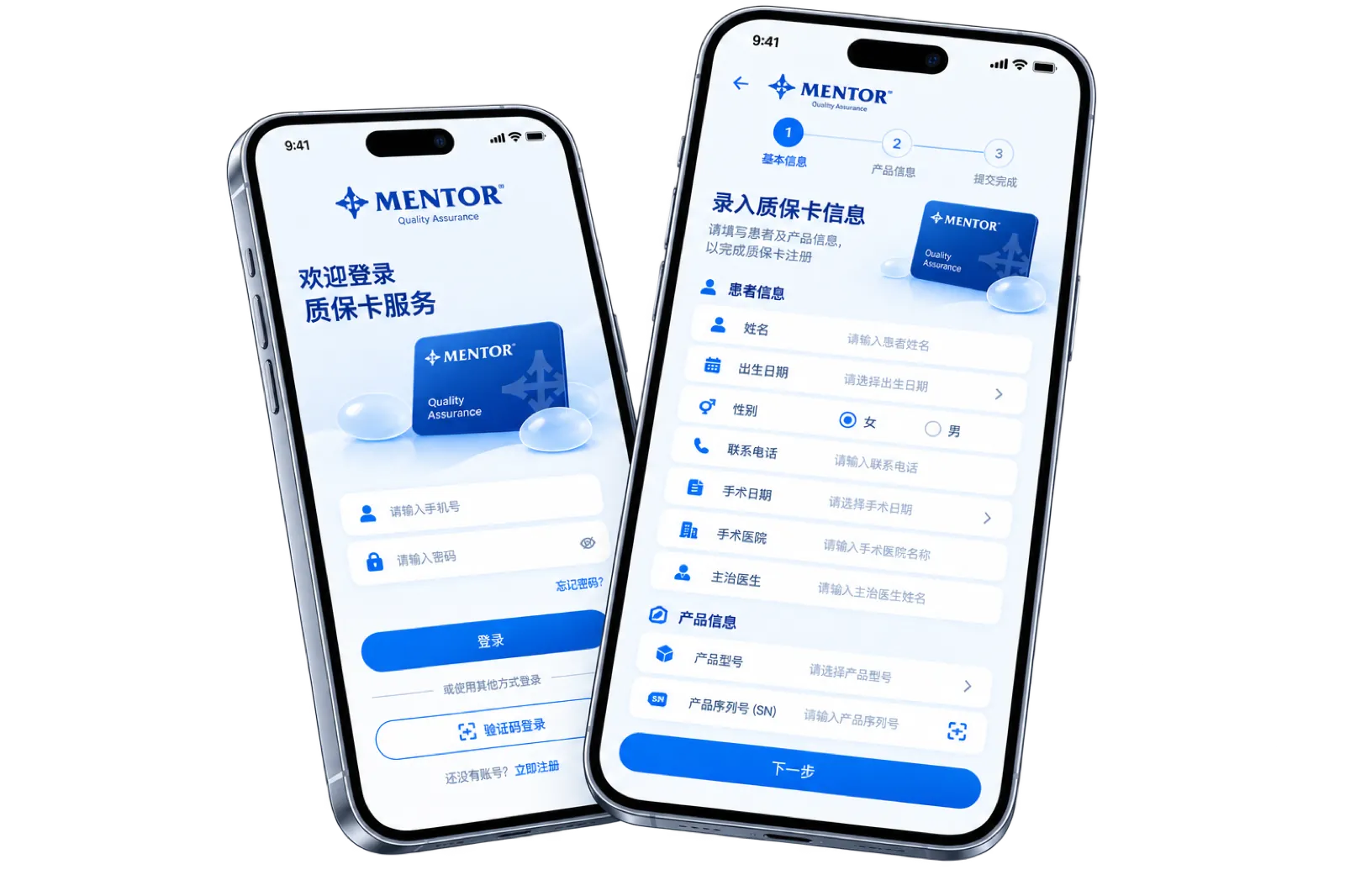
适用于另一家公司的系统,在你这里可能变成阻力。A SYSTEM THAT WORKS FOR ANOTHER COMPANY MAY BECOME FRICTION IN YOURS.
一个常见的冲动,是从一套大而全的 ERP 开始。The tempting move is to begin with a large, full-featured ERP.
我没有。对一家还在生长的公司来说,ERP 太重了:它要求先把你所有的流程都想清楚,而当时我们连流程都还没长出来。上 ERP 不会让我们更快,只会让我们被自己的不成熟绑住。I did not. For a company still growing, ERP is too heavy: it demands that you think through every process up front, and we did not yet have processes to think through. ERP would not have made us faster. It would have tied us to our own immaturity.
所以我先做了一件更朴素的事:去掉运营里的摩擦。So I did something plainer first: remove operational friction.
那些反复的手工录入、重复的确认、没必要的核对——它们不性感,却每天都在吃掉团队的时间和注意力。我先把这些清掉,让信息能少转几道手、少卡几次。The repeated manual entry, the redundant confirmations, the unnecessary checks — none of it is glamorous, but all of it ate the team's time and attention every day. I cleared those first, so information changed hands fewer times and got stuck less often.
其中最关键的一步是动态库存。The key step was dynamic inventory.
我没有先想着用它去改变客户的行为,而是先让它改善内部的协作:哪个仓有什么、缺什么、该不该调,团队不再靠互相问、靠记忆,而是看同一块屏。库存先连接了人,才慢慢连接了客户。I did not start by using it to change customer behavior. I used it to improve internal collaboration first: what each warehouse had, what it lacked, whether to transfer — the team stopped asking each other and stopped relying on memory, and looked at the same screen instead. Inventory connected people before it ever connected customers.
四大系统实证Four Systems Evidence
从管人,到设计系统From managing people to designing systems
CRM、ERP、知识库,每一个都解决了一个具体的问题。CRM, ERP, and the knowledge base each solved a concrete problem.
但它们单独存在时,解决的只是自己那一块。真正难的,是部门之间的连接:销售承诺的,仓库未必接得住;仓库发出的,客服未必说得上;客服听到的,产品未必改得了。工具不少,缝隙却很大。But on their own, each solved only its own slice. The real difficulty was the connections between departments: what sales promised, the warehouse might not catch; what the warehouse shipped, support might not be able to explain; what support heard, product might never change. The tools were plentiful; the gaps were wide.
所以我慢慢把重心从「管理人」移到了「设计系统」。So I slowly shifted the center of gravity from managing people to designing systems.
看板、复盘、数据的可见性,替代了过去的记忆和口头同步;一个人不在,系统里也看得见发生了什么、接下来该谁。Dashboards, reviews, and data visibility took the place of memory and verbal sync. When one person was away, the system still showed what had happened and who should pick up next.
知识库尤其改变了我对「文档」的理解。The knowledge base especially changed how I saw documentation.
它最初只是一堆可复用的参考资料——常见问题的答法、标准的操作流程。但用着用着,它变成了一种共同的认知机制:团队不再各自解释同一件事,而是基于同一份材料工作。文档的价值不在「记下来」,而在「让一群人对同一件事有一致的判断」。It began as a pile of reusable references — standard answers, standard procedures. But in use it became a mechanism for shared understanding: the team stopped each explaining the same thing and started working from one shared source. Its value was never in being written down. It was in giving a group one consistent judgment about the same thing.
系统演进:1.0 → 4.0System Evolution: 1.0 → 4.0
手工记账、微信协调、人海战术Manual books, WeChat coordination, brute force
信息流图谱、首版 CRM、标准话术Info flow map, first CRM, standard scripts
动态库存、看板复盘、知识库上线Dynamic inventory, kanban reviews, KB launch
数据驱动、无人值守交付、新人自学成才Data-driven, unattended delivery, self-onboarding
关键结果Key Results
档案库Archive Gallery

我的目标从来不是让自己变得不可或缺MY GOAL WAS NEVER TO BECOME INDISPENSABLE.
搭建一套即使我不在也能继续运转的系统。Build a system that continues to work when you're no longer at its center.
下一个项目 → VizamCareNext Project → VizamCare